- Sweets in Adamas
- Sweets in Palaioxori
- Sweets in Plaka
- Sweets in Pollonia
- Sweets in Provatas
- Sweets in Triovasalos
- Sweets in Tripiti
Milos is a volcanic island in the Cyclades, and its dry slopes, rocky ground and warm sea shape the local table. The island of Milos turns honey, almonds, white pumpkin, sesame and fruit into sweets in Milos. Every ingredient returns at weddings, at Easter and at the end of a meal. Each dish carries a meaning of its own.
The sweets in Milos are home cooking rather than shop cooking, and the recipes pass down inside families. Honey comes from hives on the dry hills, almonds and sesame come from the fields, and the fruit comes from small gardens. The island is too dry for a profusion of vegetation, so the sweet table stays short.
What are the sweets in Milos at a glance?
Sweets in Milos rest on honey, almonds, sesame, white pumpkin and fruit, and they arrive at three moments: the end of a meal, the family feast and the church calendar. Honey binds the list together, and each item carries an occasion.
The sweets in Milos begin with honey, the thread that runs through the sweet side of the island. Bees work the thyme, oregano and sage of the dry slopes, and the hives sit in small units where those herbs grow. Thyme honey is pale, strongly scented and slow to spoil. Cooks use it in pastries, in fried dough and in nut confections, and a jar of it leaves the island in a visitor’s bag. The flavour stays close to the herb.
The sweets in Milos end a meal in a fixed order. A spoon sweet arrives on a small dish beside a glass of cold water, and coffee follows. The spoon sweet is fruit held in thick syrup and taken in one spoonful, so it works as a sign of welcome rather than as a dessert course. Almond biscuits and sesame bars sit on the same tray. Nothing on the tray is heavy, and the meal ends light.
Almonds and sesame carry the heavier sweets in Milos. Sesame is pressed with honey into flat bars that keep for months, and almonds are ground, sweetened and shaped into small biscuits. Both ingredients suit dry ground and both store without cold, which fits a long, hot summer. The same two ingredients return in the wedding sweets. A third group, the baked pies, brings the fruit of the fields and the honey of the hives together.
- Honey: Thyme honey sweetens pastries, fried dough and nut confections.
- Almonds: Ground or whole almonds fill biscuits and wedding sweets.
- Sesame: Sesame and honey are pressed into firm bars.
- Spoon sweet: Fruit in syrup arrives with coffee and cold water.
- Watermelon: The flesh becomes a pie, the rind a preserve.
The sweets in Milos follow the weather and the calendar. Summer brings watermelon, autumn brings the nut harvest, and winter brings the fried dough of the feast days. Honey ties the year together, because the hives work from spring to autumn. A visitor who eats through the list meets the ground, the hives and the family customs of the island on one plate, and the food and drink section carries the rest.

Why does koufeto stand out among the sweets in Milos?
Sweets in Milos have one dish that belongs to weddings above all others, and koufeto is that dish. A local white pumpkin is cooked with honey and sugar until the pieces turn glassy, and blanched almonds join the thick syrup.
Koufeto sits at the head of the sweets in Milos, and it is a spoon sweet rather than a cake. The base is a local white pumpkin, cut into pieces and cooked slowly in honey and sugar until the flesh turns glassy and holds its shape. Blanched almonds go in near the end. Cinnamon and lemon lift the syrup, and the finished sweet keeps the pale colour of the pumpkin. Nothing else goes into the pot.
The custom behind the sweets in Milos is the part that matters to the island. The mother of the bride makes the koufeto and serves it to the wedding guests, and the almonds stand for fertility and for the fruits of the marriage. Guests take a spoonful with cold water, and the sweet closes the wedding meal in place of a dessert. Its name links the honey of the hills to the almonds at its heart.
Koufeto belongs to the family table rather than to the shop. The sweet is made in large trays at home, and the work is shared between the women of the household. Because cooking softens the pumpkin and honey thickens the syrup, the result is firm enough to keep in a jar and soft enough to eat with a spoon. Each family holds its own balance of honey and spice. The sweet travels well, and jars of it follow island families to the mainland.
- Base: A local white pumpkin sits at the centre of the sweet.
- Syrup: Honey and sugar cook until the syrup thickens.
- Nuts: Blanched almonds go in near the end.
- Spice: Cinnamon and lemon lift the syrup.
- Occasion: The mother of the bride serves it to guests.
Koufeto carries the plain logic of the sweets in Milos into a festive dish. One fruit from the garden, one sweetener from the hive, one nut from the tree and one spice from the shelf produce a sweet that marks a marriage. The method needs patience rather than skill, and the result keeps the taste of the pumpkin. Guests remember the spoonful long after the meal.
Which spoon sweets and preserves count as sweets in Milos?
Sweets in Milos take a second form in the spoon sweet, a fruit preserve served in one spoonful with cold water. Sour cherry, quince, fig, bergamot, grape, apricot, apple and pear all boil down into thick syrup, and the fruit keeps its shape.
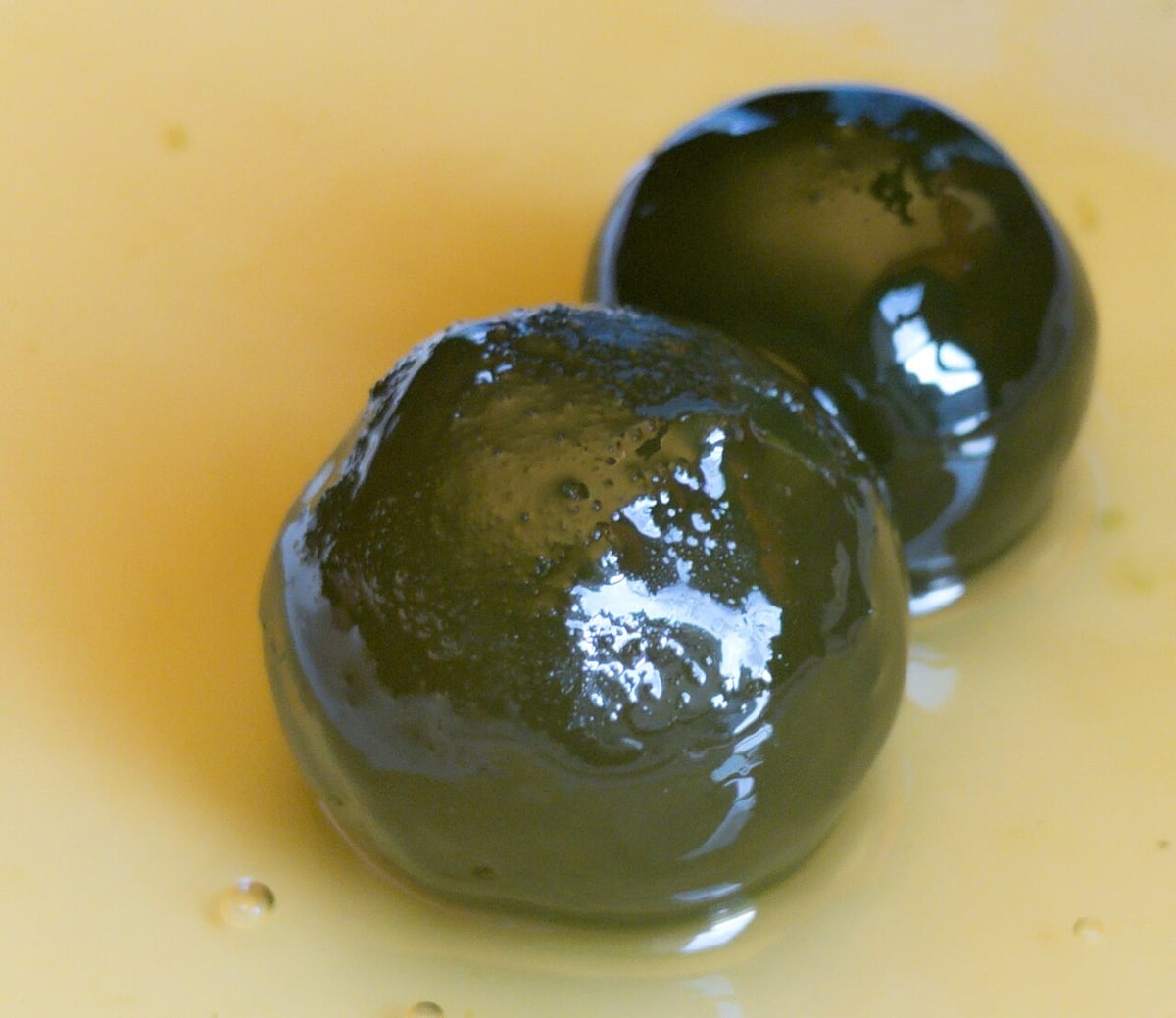
The sweets in Milos also take the form of the spoon sweet, a fruit boiled in sugar until the syrup sets around it. The method asks for equal weights of fruit and sugar with half that weight in water, and the fruit rests in the sugar before the pot goes on the heat. Lemon juice goes in at the end to stop the syrup from crystallising. The pieces keep their original shape, colour and aroma.
Almost any fruit can become a spoon sweet, and sour or bitter fruit is prized above sweet fruit. Unripe walnuts, baby aubergines, cherry tomatoes, citrus peel and rose petals also work, because the sugar carries the flavour. The sweets in Milos are offered to guests in a small dish with a teaspoon, together with coffee and a glass of cold water. A good preserve keeps the scent and the colour of the fruit it came from.
Home-made preserves fill the shelves of island kitchens. Watermelon gives a second preserve, because the flesh goes into the pie and the rind goes into a jar with sugar. Fig and quince arrive in autumn, sour cherry in early summer, and citrus peel in winter. The jars stand through the year, and a single spoonful is enough to fill a small dish. Nothing is wasted, because the whole fruit, peel and flesh, goes into the pot.
- Ratio: Equal weights of fruit and sugar, with half the weight in water.
- Fruit: Sour cherry, quince, fig, bergamot, grape and apricot.
- Others: Green walnuts, baby aubergines and citrus peel also work.
- Setting: The syrup boils until it thickens around the fruit.
- Serving: One spoonful arrives with coffee and cold water.
The spoon sweet is the daily face of the sweets in Milos. It costs little, uses fruit that goes unused, and needs no oven. A jar opened for a guest says more about welcome than a bought dessert does, and the same jar serves again at a family meal. Preserves sit between the honey of the hills and the food of Milos.
Which sweets in Milos belong to Easter, weddings and feast days?
Sweets in Milos follow the church calendar, so the plate changes with the season. Easter brings small cheese pastries and sweet bread, weddings bring the pumpkin sweet of honey and almonds, and the winter feast days bring fried dough, syrup pastries and a New Year cake.
The church year gives the sweets in Milos their sweetest days. Lent removes eggs, milk and oil from the table, and the fast ends on Easter Sunday with a shared meal. Small cheese pastries baked with fresh whey cheese belong to that season, and so does the sweet bread of the Lenten weeks leading up to it. Sweet pastries return with the celebration, and the long fast gives way to a rich family table.
Weddings and engagements put the pumpkin sweet at the centre of the table. The mother of the bride prepares it, the guests take a spoonful with cold water, and the almonds carry the wish for children. Small almond sweets covered in icing sugar also appear at celebrations. The same almond biscuits reach baptisms, name days and the welcome of a visitor to the island. They travel with the island’s families to every kind of party.
Winter brings its own list. Fried dough balls are poured over with honey and dusted with cinnamon, thin dough strips are fried and soaked in syrup, and the New Year cake hides a coin for the person who finds it. Sesame bars and almond biscuits fill the gaps between the feast days. The cold months carry as much sugar as the summer does. The sweets in Milos never close for long, because one feast follows another.
- Easter: Cheese pastries and sweet bread follow the fast.
- Weddings: Pumpkin, honey and almonds mark the marriage.
- Baptisms: Icing-sugar almond biscuits come to family parties.
- Winter: Fried dough and syrup strips fill the cold weeks.
- New Year: A cake hides a coin for one lucky slice.
The calendar decides the sweets in Milos, and every occasion adds a dish. Fasting and feasting alternate through the year, and the sweets mark the change from one to the other. A visitor who arrives in spring meets the cheese pastries, a visitor who arrives in summer meets the watermelon pie. The season gives the whole sweet table its shape.
What do travellers ask about the sweets in Milos?
Sweets in Milos raise practical questions about honey, nuts, coffee, weddings and the seasons. The five answers below explain what each item is, when it appears and how it is served at the island table. Honey and nuts carry the flavour, and the occasion decides the shape.
Are the sweets in Milos served with coffee?
The sweets in Milos come to the coffee table as a spoon sweet. It arrives on a small dish with a teaspoon and a glass of cold water, and the guest takes a single spoonful. The sweet comes before the coffee or beside it, and it works as a welcome rather than as a full dessert.
Which nuts go into the sweets in Milos?
Almonds lead the nuts used for the sweets in Milos, and they appear whole, blanched or ground. They fill the pumpkin sweet of the weddings, and they form the small biscuits covered in icing sugar. Walnuts join the watermelon pie and the syrup pastries, while sesame carries the flat honey bars.
When do the sweets in Milos appear at weddings?
The pumpkin sweet belongs to the wedding table of the island, and the mother of the bride prepares it for the guests. The almonds carry a wish for fertility and for the fruits of the marriage. The same sweet is served at engagements, and almond biscuits reach baptisms and name days.
Do the sweets in Milos change with the seasons?
The season decides the fruit and the method. Watermelon is ripe in summer, and the flesh goes into a baked pie while the rind becomes a preserve. Autumn brings figs, quince and the nut harvest. Winter suits fried dough and the New Year cake, and spring ends with the cheese pastries of Easter.
Is honey important for the sweets in Milos?
Honey is the oldest sweetener of the table, and it appears in the pumpkin sweet, the sesame bars and the syrup pastries. Thyme honey from the dry hills carries a strong scent and keeps without spoiling. The hives work through the warm months, and the jars last through the winter.